 blog
Durable Chew Toys for Aggressive Chewers: A Buyer's Guide
Table of Contents
- Why Aggressive Chewers Need Durable Toys
- Best Dog Toys for Aggressive Chewers: What Sets Them Apart
- Tough Rubber Dog Toys: Material Durability and Performance
- Safe Chew Toys for Dogs: Supervision and Replacement Guidelines
- Long-Lasting Dog Chews: Choosing by Chewing Intensity and Jaw Size
- Treat-Stuffable and Interactive Toys for Mental Enrichment
- Common Mistakes When Selecting Chew Toys for Aggressive Chewers
- Cleaning and Maintenance for Toy Longevity
- Frequently Asked Questions
Last Updated: October 21, 2026
Why Aggressive Chewers Need Durable Toys
Dogs with powerful jaws and intense chewing drives destroy ordinary toys within hours. Tennis balls get shredded, rope toys unravel into choking hazards, and plastic toys splinter into fragments that can lodge in the throat or intestines.
Aggressive chewers need toys engineered for their strength. The difference between a standard toy and one built for tough chewers isn't just durability, it's safety: when a toy fails, pieces become weapons.
At Luminesce Pet Products, we know pet parents of strong chewers face a real problem: finding toys that survive more than a few days while keeping dogs safe.
This guide covers what separates a toy that survives from one that becomes a veterinary emergency: material choices, safety signals, and matching toy intensity to your dog's chewing style.
Best Dog Toys for Aggressive Chewers: What Sets Them Apart
Not all durable chew toys for aggressive chewers are equal. The best share specific characteristics that cheap alternatives lack.
Strong chewers need high material density. Low-density foam compresses easily and gets torn apart; high-density materials resist puncture and compression, forcing the dog to work harder without progress toward destruction.
Surface texture matters too.
Weight is another factor.
Shape affects how aggressively a dog can attack. Balls and rings distribute force more evenly than elongated shapes, while bones and sticks concentrate force at specific points and are more likely to snap.
Finally, the best toys for aggressive chewers have no seams, glued joints, or stuffing. Every seam is a failure point and every piece of stuffing a choking risk; solid construction eliminates these vulnerabilities.
Tough Rubber Dog Toys: Material Durability and Performance
Rubber is the material of choice for aggressive chewers because it resists puncture and doesn't splinter. When a tooth finally breaks through, it creates a small hole rather than sharp fragments.
Rubber toys come in two main types: natural rubber and hard rubber. Each has different performance characteristics.
Natural Rubber vs. Hard Rubber: Durability Comparison
Natural rubber toys are softer and more flexible, compressing under pressure and bouncing back. Dogs enjoy the tactile feedback, but softer rubber wears faster and aggressive chewers can eventually puncture or tear it.
Hard rubber toys are denser and more rigid, resisting compression almost entirely. When a dog bites down, the toy barely moves, frustrating chewers who can't make progress toward destruction.
Hard rubber also resists heat better, staying stable in hot climates, while natural rubber can become tacky or decompose in prolonged direct sunlight.
The tradeoff: hard rubber is less rewarding for dogs who enjoy compression, while dogs that love tearing things apart will eventually succeed with natural rubber.
For most aggressive chewers, rotate between natural and hard rubber toys so your dog gets variety without any single toy under constant attack.
Nylon Toys and Rope Toys for Strong Jaws
Nylon is another popular material for tough chewers. It's harder than rubber, resists puncture better, and can last months with aggressive chewers.
The risk is that nylon breaks off as sharp, jagged fragments rather than soft rubber chunks, and swallowed pieces can cause intestinal blockages requiring surgery.
Rope toys seem natural for dogs that tug and chew, but rope unravels. Loose fibers get swallowed and accumulate in the stomach, causing serious digestive problems. Use rope toys only under direct supervision and remove them the moment they start to fray.
For aggressive chewers, nylon and rope toys are riskier than rubber. Reserve them for moderate chewers or supervised play sessions only.
Safe Chew Toys for Dogs: Supervision and Replacement Guidelines
Durability is only half the equation; a toy built to last can still become dangerous if not maintained properly.
Recognizing Choking Hazards and Wear Signs
Check your dog's toys every few days for cracks, dents, chunks missing, peeling paint, loose pieces, or exposed seams. Any of these is a red flag.
Also inspect for wear that isn't visible damage: sticky or tacky rubber is degrading, a strong chemical smell means the material is breaking down, and pieces that come off easily when bent or pulled mean removal time has arrived.
Watch how your dog plays. If they've switched from chewing to violent shaking, the toy may be close to failure, since shaking concentrates force and can cause sudden breaks.
Some toys shed small pieces as normal wear, like bristle toys losing bristles gradually. Monitor these closely; if bristles come off in large clumps rather than individually, the toy is failing.
When to Replace Your Dog's Chew Toy
The safest approach is to replace toys on a schedule rather than waiting for failure. For an aggressive chewer, this might mean replacing rubber toys every 4-8 weeks and nylon toys every 2-3 months, depending on chewing intensity.
Don't wait for your dog to destroy a toy completely. Replace it as soon as damage appears. The cost of a replacement toy is trivial compared to a veterinary emergency.
Keep a rotation of toys available. This serves two purposes: it gives each toy time to rest between sessions, and it prevents your dog from becoming bored with the same toy. Bored dogs chew more aggressively.
Store toys indoors when not in use. Sun exposure degrades rubber and nylon. Heat makes materials brittle. Keeping toys in a cool, dry place extends their lifespan.
Long-Lasting Dog Chews: Choosing by Chewing Intensity and Jaw Size
Not every aggressive chewer has the same chewing style. Some dogs bite hard but chew methodically. Others shake toys violently. Some focus on one spot and gnaw. Understanding your dog's specific chewing behavior helps you pick toys that will actually survive.
Matching Toy Hardness to Your Dog's Chewing Style
Dogs that bite hard need toys that resist puncture. Hard rubber and nylon excel here. These materials are tough enough to withstand intense bite force without immediate failure.
Dogs that shake toys violently need toys with high structural integrity. Heavy toys resist being thrashed. Toys with no seams or joints won't come apart mid-shake. Solid construction is critical.
Dogs that focus on one spot and gnaw need toys with even hardness throughout. If a toy has soft spots or variations in density, a persistent gnawer will find them and exploit them. Uniform material density is the key.
Some dogs combine multiple styles. They bite hard, shake, and then gnaw. For these dogs, the most durable toys are those built for all three attack methods: hard rubber or nylon, heavy weight, and solid construction.
Size, Shape, and Engagement: Bones, Rings, and Balls
Toy size should match your dog's jaw. A toy that's too small can be swallowed or lodged in the throat. A toy that's too large is frustrating and won't be used.
Shape affects how a dog engages with the toy. Bones concentrate force at specific points, which is why they're prone to snapping. Rings distribute force more evenly and tend to last longer.
For truly aggressive chewers, balls and rings outperform bones. The shape matters more than you might think.
Engagement is about whether the toy holds your dog's interest. A boring toy gets destroyed faster because the dog is motivated to find something better. Toys with varied texture, interesting shapes, or the ability to roll unpredictably keep dogs engaged longer.
Treat-Stuffable and Interactive Toys for Mental Enrichment
The best durable chew toys for aggressive chewers aren't just tough, they're engaging. A toy that keeps your dog mentally stimulated reduces boredom-driven destruction.
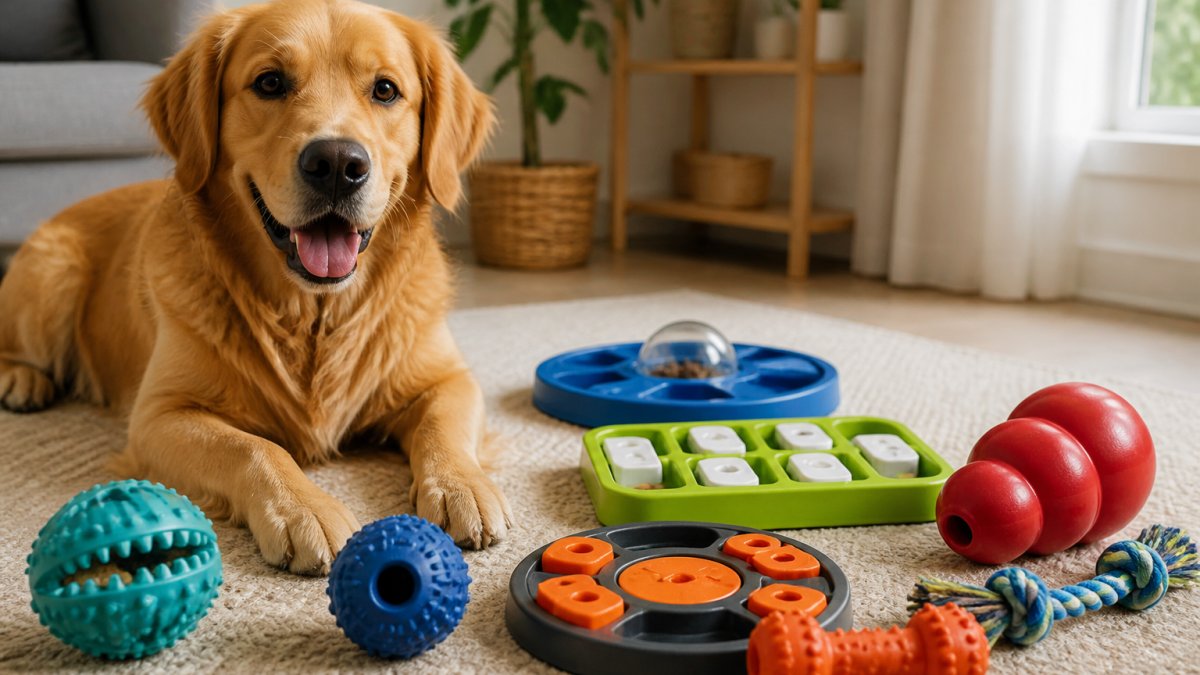
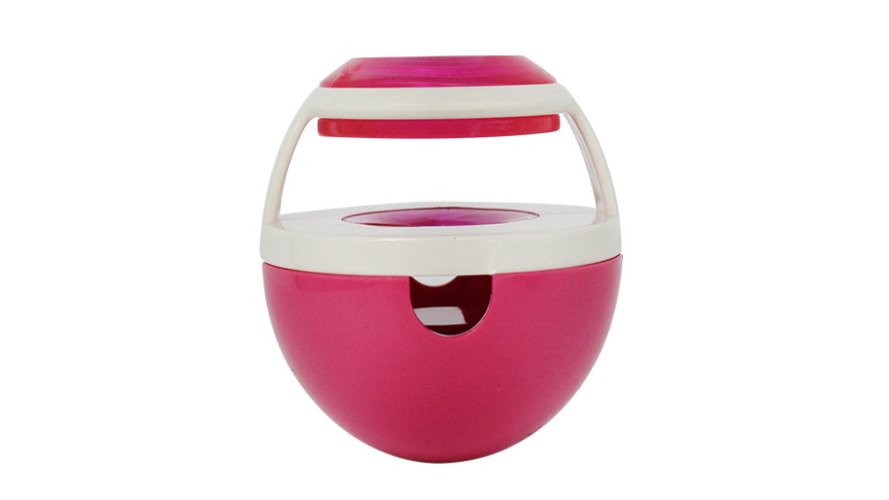
Treat-stuffable toys serve dual purposes. They provide mental enrichment through problem-solving, and they redirect chewing energy toward a specific toy rather than your furniture. Luminesce Pet Products offers the Interactive Slow Feeder Toy for Large Dogs, which combines treat dispensing with durable construction.

Interactive toys work because they reward the dog for engaging with them. A toy that does something interesting, bounces unpredictably, dispenses treats, or makes sounds, holds attention longer than a passive toy.
Rotate your interactive toys. Use a treat-dispensing toy for a few days, then switch to a different type. This prevents habituation and keeps your dog interested.
Common Mistakes When Selecting Chew Toys for Aggressive Chewers
Pet parents often make predictable errors when choosing toys for strong chewers. Knowing these mistakes helps you avoid them.
The first mistake is buying toys based on price alone. Cheap toys fail faster, which means more replacement costs and more risk.
The second mistake is assuming that because a toy is marketed as "indestructible," it actually is. Marketing claims are not guarantees. Look at construction quality instead.
The third mistake is ignoring your dog's specific chewing style. A toy that works for a methodical chewer might fail instantly for a violent shaker.
The fourth mistake is leaving toys unsupervised with young dogs or dogs with a history of eating foreign objects.
The fifth mistake is not rotating toys.
The sixth mistake is not inspecting toys regularly. Many failures are preventable if you catch damage early.
Cleaning and Maintenance for Toy Longevity
How you maintain toys affects how long they last. Proper cleaning removes bacteria and prevents material degradation.
Wash rubber and nylon toys regularly with warm soapy water. Use a soft brush to remove debris from textured surfaces.
Don't use harsh chemicals or bleach on toys. These break down the material faster. Mild dish soap is sufficient.
Inspect toys while cleaning. You'll catch damage early and spot signs of material degradation that you might miss during casual observation.
Store toys in a cool, dry place. Heat and sunlight degrade rubber and nylon. A closet or storage bin works well.
Replace toys that have become permanently deformed.
Choosing durable chew toys for aggressive chewers comes down to understanding materials, matching toys to your dog's chewing style, and maintaining them properly.
Frequently Asked Questions
What material is best for durable chew toys for aggressive chewers?
Hard rubber and nylon are the most durable materials for aggressive chewers. Natural rubber offers some flex and is gentler on teeth, while hard rubber resists punctures and tearing better. Nylon toys and rope toys work well for strong jaws, but monitor them closely for pieces that could be swallowed. Avoid thin plastic or soft rubber, which aggressive chewers can destroy quickly. The right choice depends on your dog's chewing intensity and whether you prioritize durability or dental comfort.
How do I choose the right chew toy size for my dog?
Select a toy larger than your dog's mouth so it cannot be swallowed whole. For large breeds with strong jaws, choose toys at least 3-4 inches across. Test by offering the toy and watching your dog hold it comfortably without being able to fit it completely in their mouth. Oversized toys are safer because they reduce choking risk while still providing satisfying chewing. Always supervise playtime, especially when introducing a new toy size or style to your aggressive chewer.
When should I replace a damaged dog chew toy?
Replace a chew toy as soon as you notice cracks, missing chunks, or loose pieces that could become choking hazards. If your dog can peel off layers or splinters are visible, remove the toy immediately. Even durable chew toys wear down over time with aggressive chewing. Inspect toys weekly for damage, and replace them every 3-6 months depending on chewing intensity. Treating-stuffable toys like the Interactive Slow Feeder Toy for Large Dogs should also be checked regularly for cracks that could trap bacteria or food particles.
Are hard chew toys safe for my dog's teeth?
Hard chew toys can be safe if chosen carefully. Toys that are too hard can crack or fracture teeth, especially in senior dogs or those with existing dental issues. A good rule: if you cannot indent a toy with your fingernail, it may be too hard. Rubber toys offer better balance than solid nylon or bone-hard materials. Supervise chewing sessions and consult your veterinarian if your dog shows signs of dental discomfort, jaw soreness, or broken teeth after introducing a new toy.